The Reinheitsgebot: The German Purity Law That Shaped Beer Forever
Introduced in 1516, the Reinheitsgebot is one of the oldest food regulations in the world. Learn how this Bavarian decree defined what beer could be — and why its legacy still matters today.
The Reinheitsgebot: The German Purity Law That Shaped Beer Forever
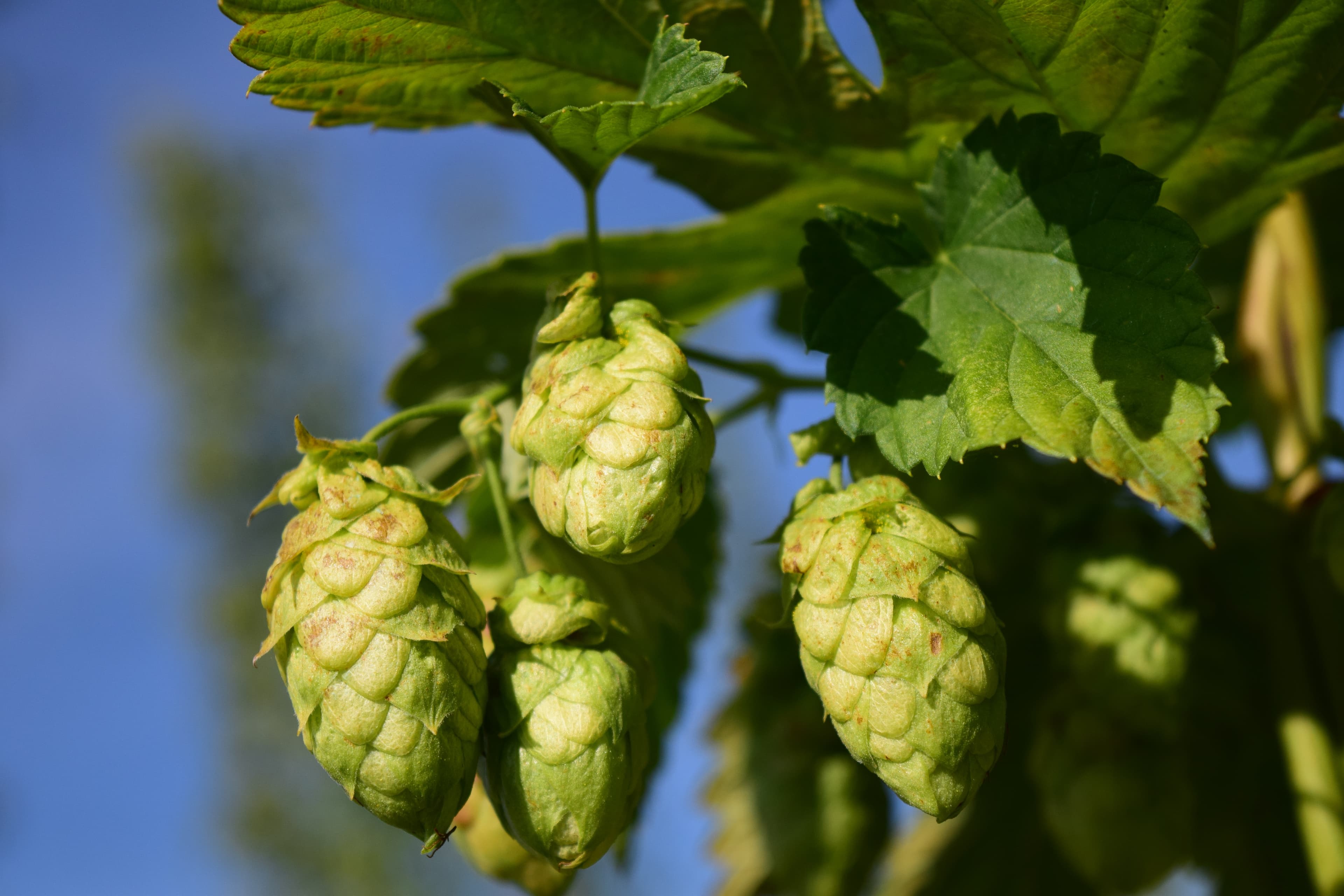
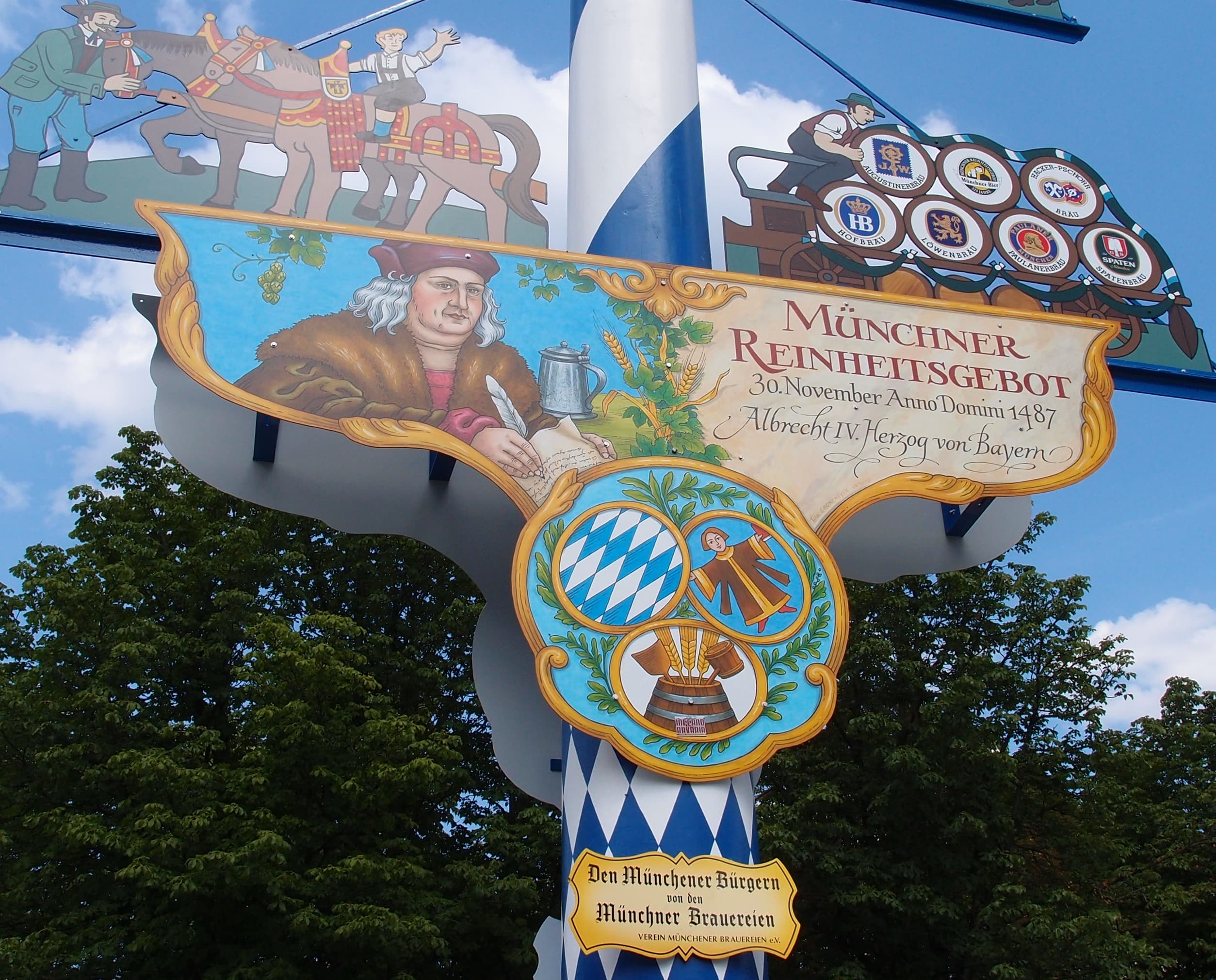
The Reinheitsgebot (pronounced rine-HITES-ga-boat), or German Purity Law, is one of the oldest food regulations in the world, with roots tracing back over 500 years. It was introduced on April 23, 1516 by Duke Wilhelm IV of Bavaria. This law originally mandated that only three ingredients — barley, hops, and water — could be used in the brewing of beer in Germany. What began as a local Bavarian decree became the foundation of modern beer brewing in Germany and has influenced brewing worldwide. The law was originally designed to protect public health, as drinking water in Germany was often unsafe, and beer and wine became safer alternatives. Another goal was to make beer affordable for the poor, as it was more accessible than clean water at the time.
Origins of the Reinheitsgebot
During the early 16th century, beer was a staple of daily life, consumed by people of all ages due to the often poor quality of drinking water. However, beer production was inconsistent, and brewers sometimes used dangerous or unsavory ingredients, including various herbs, fruits, and even toxic substances to cut costs or add flavor.
To address these issues, Duke Wilhelm IV and his co-ruler, Duke Ludwig X, introduced the Reinheitsgebot. The law mandated that the only ingredients allowed in the brewing of beer were water, barley, and hops. Yeast was not mentioned because its role in fermentation was not fully understood at the time, though it was later acknowledged as a natural part of the brewing process.
The purity law was also designed to keep the price of beer affordable and to prevent competition with bakers for wheat and rye, which were reserved for bread production. The law was later revised to include wheat malt, which is essential for brewing German wheat beer called Weizenbier or Weissbier.
Key Provisions of the Law
-
Ingredients: Only water, barley, and hops could be used in beer production. This ensured the purity of beer and reduced the risk of dangerous additives.
-
Pricing: The law also set fixed prices for beer, which varied depending on the season and region, ensuring it remained affordable to the general population.
-
Fines: Brewers who violated the purity law faced stiff fines, and in some cases, their beer was confiscated and destroyed. This reinforced strict adherence to quality.
The Reinheitsgebot in Modern Times
As Germany unified in the 19th century, the Reinheitsgebot expanded beyond Bavaria to cover the entire country. It became a hallmark of German beer, emphasizing purity, quality, and tradition. The law remained in place with little alteration for centuries, even as beer production evolved with modern technologies and techniques.
By the late 20th century, challenges arose. As brewing expanded globally, international pressure, particularly from the European Union (EU), mounted for Germany to relax its stringent regulations. Exporters to Germany and environmental advocates criticized the strict limitations, which prevented the use of substitutes and banned additives, preservatives, and cheaper fermentable sugars. While German beer gained a foothold in markets like the United States, foreign brewers found the law restrictive, as it barred beers made with ingredients like corn or rice — commonly used in American brewing — from being sold in Germany. Critics also argued that the purity law stifled innovation and prevented brewers from using other ingredients like fruit, spices, and other flavorings that had become popular worldwide.
Although the Reinheitsgebot was enacted in 1516, it was further amended in March 1952 and again in September 1980. In 1987, the European Court of Justice ruled that the law violated free trade within the EU, forcing Germany to relax its strict application to imported beers. Nevertheless, many German brewers voluntarily adhered to the principles of the Reinheitsgebot, viewing it as a mark of tradition and quality.
The Reinheitsgebot Today
Though no longer a mandatory law, the spirit of the Reinheitsgebot remains alive in Germany. Many brewers proudly continue to follow its guidelines, producing beer with just the traditional four ingredients: water, barley, hops, and yeast. The law has become a symbol of German cultural heritage, celebrated by beer enthusiasts around the world.
Some modern breweries, however, have chosen to experiment with new styles and ingredients, embracing global trends in craft brewing while still paying homage to the tradition of quality that the Reinheitsgebot represents.
The Reinheitsgebot stands as more than just a set of brewing rules — it's a testament to Germany's rich beer culture, a standard of excellence, and a symbol of centuries-old craftsmanship that continues to define beer in Germany and around the world. German breweries largely adhere to the Reinheitsgebot, and many craft brewers worldwide, including those in the United States, also follow its principles.
Today, Germany continues to be one of the world's top consumers of beer, and beer brewed in accordance with the Purity Law is still considered by some to be healthier. Interestingly, despite allowing more imports, German consumers tend to prefer traditional brewing methods. The law's influence even extends to homebrewers, who proudly embrace the tradition.
Final Thoughts
The German Purity Law has shaped the history of brewing and established Germany as a global leader in beer production. While it may no longer be legally binding, its legacy continues to influence brewing practices, ensuring that beer made in the German tradition remains synonymous with quality and authenticity. Whether adhering strictly to the Reinheitsgebot or experimenting with new flavors, German brewers have created a world-renowned tradition that blends the old with the new, ensuring beer continues to be a beloved part of German culture.
So, raise a glass — cheers to your health!

📖 From the Author
Homebrewing Simplified
A Beginner's Guide To Making Your Own Beer!
By Bryan Siemon