Hops: The Flower Behind the Flavor of Beer
It would be hard to find a brewer anywhere that doesn't use hops. Discover the history, science, and varieties of the small green flower that defines beer as we know it.
Hops: The Flower Behind the Flavor of Beer
It would be hard to find a brewer anywhere that doesn't use hops.
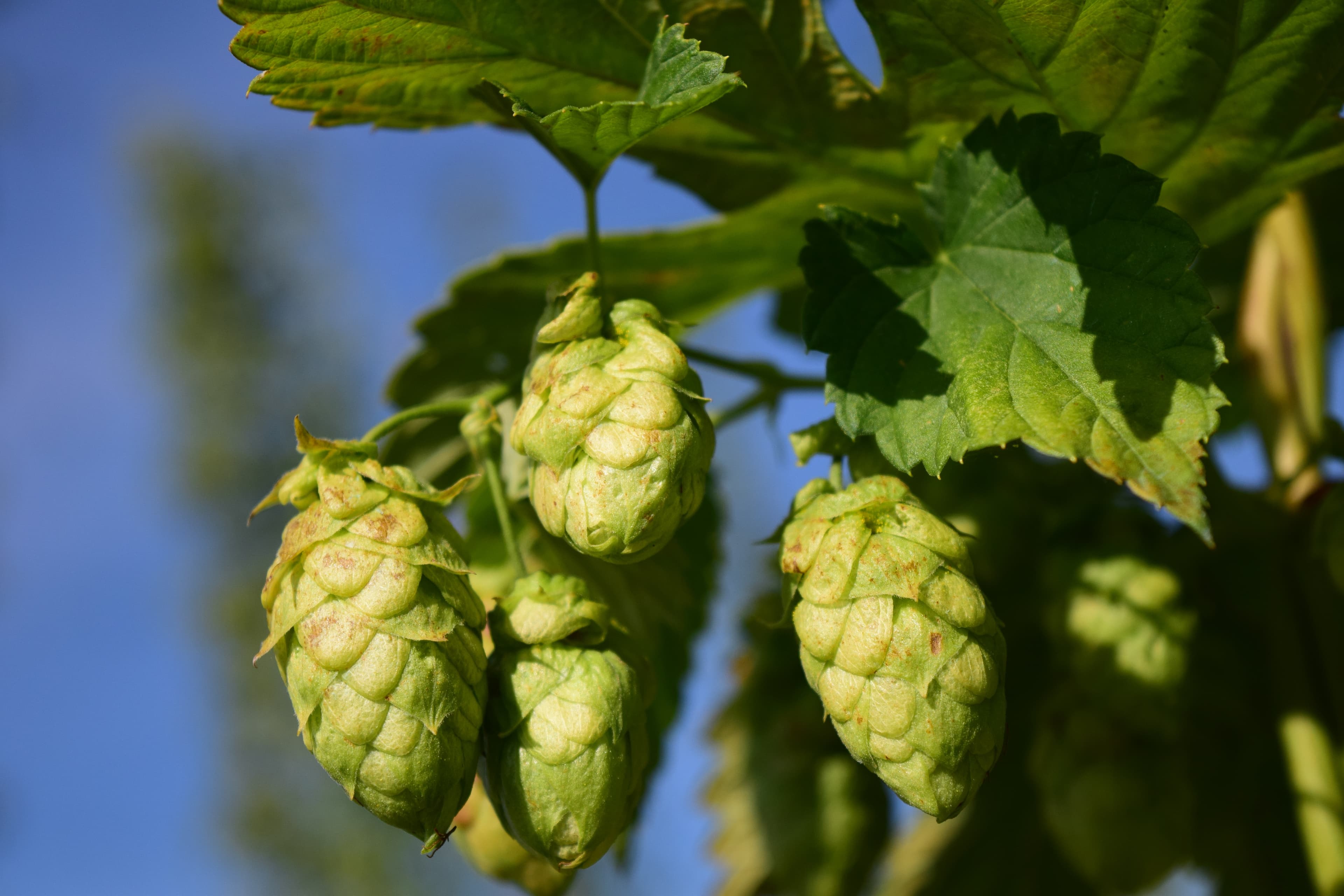
Hops, scientifically known as Humulus lupulus, play a crucial role in beer brewing, defining the flavor, aroma, and bitterness that beer enthusiasts around the world enjoy. These small green flowers, often referred to as cones, are the female reproductive organs of the hop plant. While hops have other uses, their most notable contribution is in brewing, where they balance the sweetness of malt with bitterness and add distinctive flavors ranging from earthy to fruity.
The History of Hops in Brewing
Germany is the largest producer of hops globally, followed by the United States. While hops have been cultivated since as early as 200 A.D. in Babylon, they only became a regular ingredient in brewing about 150 years ago. Before hops, beer was flavored and preserved with various herbs and plants such as rosemary, yarrow, coriander, and bog myrtle. Hops gained popularity due to their hardiness, ease of cultivation, and distinctive flavor.
The earliest mention of hops in Europe dates back to 736 in a garden in Hallertau, but they were not used in beer until 1079. Though hops had been used in brewing for centuries, their widespread adoption surged during the Middle Ages in Europe. Initially, brewers used a herbal blend called "gruit" to flavor beer, but over time, hops replaced gruit because of their natural preservative qualities and the bitterness they imparted. By the 12th century, Germany emerged as a leader in hop cultivation and brewing, setting a trend that spread throughout Europe and beyond.
Hops revolutionized beer production, and by the 15th century, "hopped beer" became standard, overtaking the unhopped ales that were previously popular.
The Role of Hops in Brewing
Hops contribute to the flavoring and the aroma of beer. The use of hops also aids in head retention and is a preservative. The three primary elements to beer provided by hops are: bitterness, flavor, and aroma.
1. Bitterness: The bitterness in beer comes from alpha acids found in hops. These acids are not soluble in water but become soluble during the boiling process. Depending on the variety and quantity of hops used, bitterness levels can vary widely. For example, pale ales or India pale ales (IPAs) tend to have higher hop bitterness, while lagers and pilsners are more balanced.
2. Flavor: Hops impart a range of flavors to beer. Different hop varieties provide distinct tastes, including citrus, pine, floral, earthy, and spicy notes. The complexity of hop flavor is influenced by factors like growing conditions and the timing of their addition to the brew.
3. Aroma: The aromatic compounds, called essential oils, in hops are responsible for the bouquet of scents found in many beers. Dry hopping — a process of adding hops during or after fermentation — intensifies the hop aroma without increasing bitterness.
Varieties of Hops
There are many varieties of hops, each bringing unique characteristics to beer. Here are some well-known types:
- Cascade: Known for its citrus and floral aroma, Cascade hops are widely used in American craft beers, particularly in IPAs and pale ales.
- Centennial: Sometimes called a "super Cascade," Centennial hops have a robust floral and citrus profile with a higher bitterness.
- Saaz: A noble hop from the Czech Republic, Saaz is famous for its earthy, herbal, and spicy flavors, often used in lagers and pilsners.
- Citra: A popular modern variety, Citra hops are prized for their intense citrus and tropical fruit notes, making them a favorite in hop-forward beers.
- Hallertau: Another noble hop, Hallertau is one of the oldest hop varieties from Germany. It brings a mild and slightly spicy flavor, often found in traditional European lagers.
The Cultivation of Hops
Hops are perennial plants that thrive in temperate climates and are grown worldwide, including in the southern hemisphere. In the United States, major hop-growing regions include the Pacific Northwest, particularly Washington State, Oregon, and Idaho. Globally, hops are cultivated in countries like England, Germany, the Czech Republic, Australia, New Zealand, and even South Africa.
Hop plants grow on tall trellises, with bines (similar to vines) that can reach 20 to 30 feet in height. The bines are covered with small green hop cones, which are harvested in late summer or early fall. After harvesting, farmers dry the cones and package them for use in brewing.
Fun Fact
Hops (Humulus lupulus) and cannabis (Cannabis sativa) are related. Both plants belong to the Cannabaceae family, which is a small plant family of flowering plants. While they share some similarities, such as their growth patterns and aromatic qualities, they are distinct species with different uses.
Hops are primarily used in brewing beer while cannabis is known for its psychoactive and medicinal properties. Despite their differences, the shared family connection means they have some common botanical traits, such as the production of compounds like terpenes, which contribute to their respective aromas.
Hops Beyond Beer
While hops are best known for their role in brewing, they have other uses as well. Historically, hops have been valued in herbal medicine for their sedative and calming properties. Hop extracts are often used in supplements to help reduce anxiety and improve sleep. Additionally, hops serve as a flavoring agent in non-alcoholic drinks, teas, and even skincare products, thanks to their anti-inflammatory benefits.
Despite these uses, hops are primarily grown for brewing, with only a small market for their oils in aromatherapy and whole cones in hop pillows. Hops play a critical role in beer production, not just for flavor and preservation, but also for their ability to coagulate and remove unwanted malt proteins in the brewing process, aid in clarification, improve head retention, and stabilize beer flavors.
As an essential ingredient in beer, hops define its flavor, bitterness, and aroma while also preserving the beverage. With the rise of craft brewing and innovative hop varieties, the demand for diverse hop profiles has grown. Whether in a traditional lager or a hop-forward IPA, hops will always be central to the beer experience. Without hops we wouldn't have IPAs and the great story behind this popular beer.

📖 From the Author
Homebrewing Simplified
A Beginner's Guide To Making Your Own Beer!
By Bryan Siemon